
Know the Basics
Let’s strip it down: a crypto wallet doesn’t actually hold your coins. What it stores are your private keys the strings of data that prove you own and can access the crypto tied to a specific blockchain address. Lose those keys, and you lose your money. Period.
Now, there are two main types of wallets you’ll hear about.
Hot Wallets are connected to the internet. These include browser extensions like MetaMask, mobile apps, and desktop programs. They’re fast, easy, and perfect for someone jumping in and out of markets or dabbling with dApps and NFTs. Think convenience with a side of risk it’s like keeping some cash in your wallet instead of the bank.
Cold Wallets don’t touch the internet. These are hardware wallets (like Ledger or Trezor) or even simple paper backups of private keys. They’re slower to access, but locked down tighter. If you’re not trading daily and just want to preserve your investment, cold storage is your fortress.
Pick your route based on how you move. Hot for action. Cold for safety.
When to Use a Hot Wallet
Hot wallets are built for speed. If you’re trading daily, flipping NFTs, staking assets, or interacting with DeFi projects, having your crypto ready at a moment’s notice matters. That’s where hot wallets come in browser extensions, mobile apps, and desktop clients that give you instant access to your funds.
They shine in convenience. No cables, no cold boot ups, no searching for backup phrases buried in a drawer. Just log in, tap, and go. But the catch? They’re exposed. Being online 24/7 makes them especially vulnerable to hacks, phishing attacks, and malware. That’s the tradeoff quick access for reduced security.
A hot wallet fits best if your crypto activity resembles day trading or regular platform use. If you’re deep in yield farming, NFT minting, or swapping tokens every few hours, it’s a necessary tool. Just make sure it’s one of several in your digital toolkit and never leave more in it than you’re willing to lose.
When a Cold Wallet Is the Smarter Move
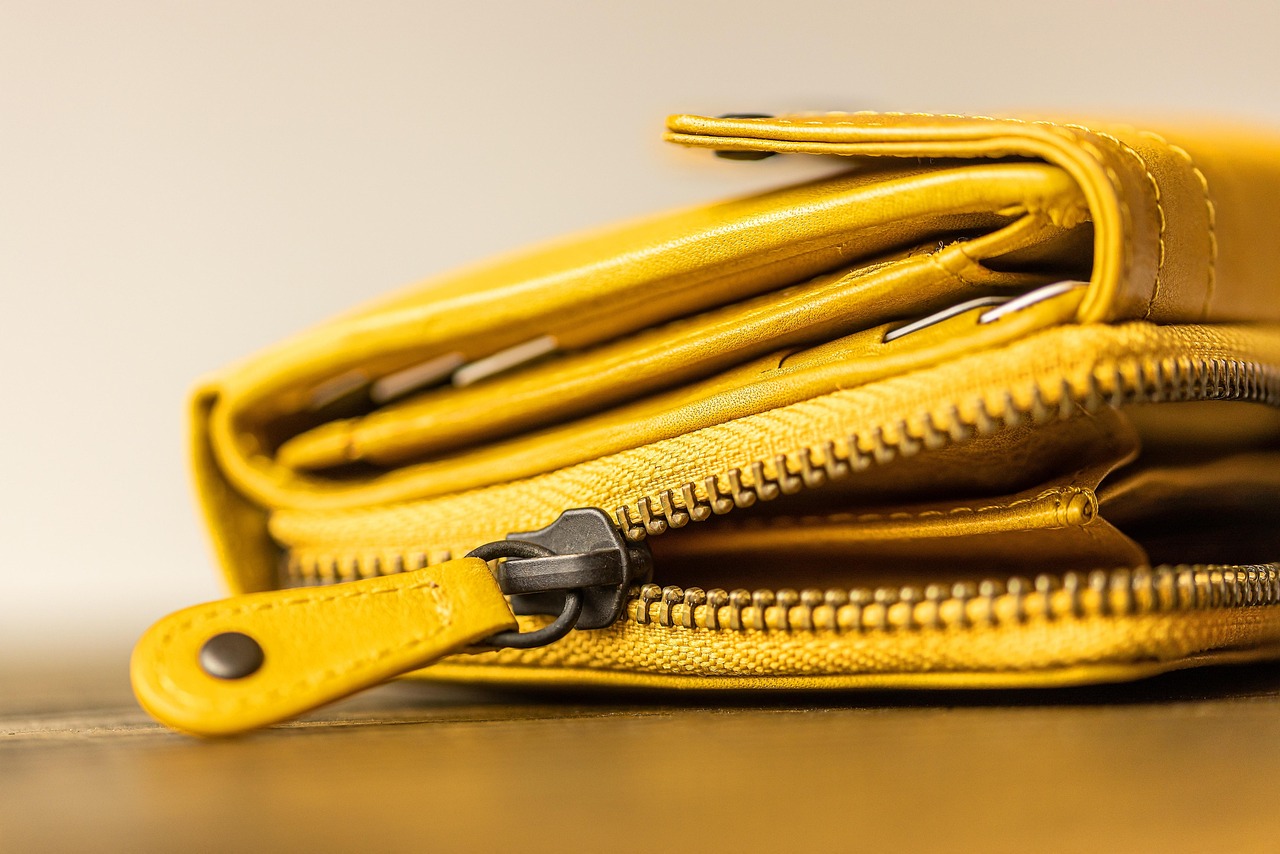
If you’re not reacting to market swings every week and your crypto isn’t something you touch daily a cold wallet is probably your best bet. These offline storage devices (think hardware wallets or even paper wallets) keep your private keys disconnected from threats like malware, phishing links, or app exploits. That layer of separation makes them incredibly secure, especially for larger holdings.
Cold wallets aren’t designed for speed. If you’re chasing daily trades or hopping between DeFi protocols, the extra steps involved in accessing your assets will slow you down. But if your plan is to hold and wait, that’s a feature, not a bug. With no constant exposure to the internet, the risks drop significantly.
This option is built for long term thinkers people who value security and full ownership over their private keys. Less ease, more control. If that sounds like your crypto strategy, cold storage gives you peace of mind and a serious defense against digital threats.
Which One is Right for You?
If you need fast access to your crypto whether for trading, making payments, or using DeFi protocols a hot wallet is probably your move. It’s nimble, mobile, and always ready to go. Just keep in mind: with convenience comes risk. If you’re not careful, it’s easier to get burned by hacks or phishing schemes.
If security is your top concern and you’re holding for the long term a cold wallet is the safer bet. It’s offline, harder to steal from, and ideal for storing larger amounts you don’t need to touch often.
Most seasoned crypto users actually use both: a hot wallet for day to day use and a cold wallet for long term storage. It’s not about choosing one or the other it’s about finding the right mix for your habits, risk tolerance, and goals.
Your wallet setup isn’t static. As your portfolio grows and your usage evolves, your strategy should too. Start simple, stay secure, and adjust when it makes sense.
Final Thought
If you’re serious about crypto, you have to take security seriously no exceptions. Whether you’re flipping tokens daily or parking assets for the next bull run, your wallet setup is mission critical. Convenience is nice, but control matters more. Choosing the right wallet isn’t just a tech decision it’s a trust decision. And that trust starts with how you handle your private keys.
Don’t cut corners. Back up your credentials the right way. Store your seed phrases offline, avoid cloud storage, and treat access like a vault, not a login screen. If you’re not sure where to start, begin here: protecting private keys.