
I’ve been in the NFT space long enough to know most people get it wrong from the start.
You’re probably tired of hearing about million-dollar JPEGs and overnight success stories. That’s not what this is about.
Here’s the reality: NFTs have real investment potential. But you need a strategy that goes beyond buying what’s trending on Twitter.
I’m going to show you how to look at NFTs differently. We’ll focus on NFT guide principles that actually work and dive into etrsnft opportunities that most investors are missing right now.
This comes from analyzing market data across hundreds of projects. Not just the winners everyone talks about. The failures too (because that’s where you learn what to avoid).
You’ll get a framework for spotting value. Not just in art NFTs but in utility-based projects that have staying power beyond the hype cycle.
We’re looking at what makes an NFT worth holding versus what makes it worth skipping.
No promises about getting rich. Just a clear method for making smarter decisions in a market that punishes guesswork.
NFTs 101: A Quick Refresher for the Modern Investor
An NFT is a unique digital certificate that proves you own something on the blockchain.
That’s it. No complicated jargon needed.
Think of it like a deed to a house, except it lives on a digital ledger that can’t be faked or duplicated. When you buy an NFT, you’re buying proof that you own a specific digital item.
Now, most people still think NFTs are just overpriced JPEGs of apes. And honestly? I can’t blame them for thinking that way. The 2021 hype cycle was ridiculous.
But here’s my take.
NFTs go way beyond profile pictures. I’ve watched this space evolve, and the real action is happening in places most people aren’t looking.
Gaming assets are one area. You can own weapons, skins, or characters that actually belong to you (not the game company). Virtual land is another. People are buying plots in digital worlds that might sound crazy until you see the commerce happening there.
Then you’ve got utility tokens. These give you access to exclusive communities, events, or services. The nft guide etrsnft covers these categories in more depth if you want specifics.
When you’re evaluating any NFT project, you need to watch three numbers.
Floor price tells you the cheapest entry point. Trading volume shows whether people actually care. Unique owner count reveals if it’s a real community or just a few whales passing the same tokens around.
I check these metrics before I even consider a project. They’re not perfect, but they’ll save you from obvious traps.
Deep Dive: What Are ETRsNFTs (Evolving Trait & Rarity NFTs)?
Let me start with a question I got last week from someone in my Discord.
“What’s the difference between buying a regular NFT and one of these ETRsNFT things?”
Good question. And honestly, most people get this wrong.
ETRsNFTs are a new class of NFTs where the actual metadata changes. I’m talking about traits, appearance, and rarity levels that shift based on what happens in the real world.
Think of it this way. A static NFT is like a printed photo sitting on your desk. It never changes. An Etrsnft is more like a digital photo that updates to show the current weather outside your window. In the evolving landscape of digital assets, the concept of an Etrsnft revolutionizes our understanding of ownership by allowing these dynamic tokens to reflect real-time changes, much like a living snapshot that adapts to its surroundings.
Same frame. Different image.
Now here’s where it gets interesting. These changes aren’t random. They’re triggered by specific events.
Say your favorite sports team wins a championship. Your NFT could update to reflect that win. Or maybe Bitcoin hits $100K and your crypto-themed NFT evolves to a new rarity tier. I’ve even seen projects where completing an in-game quest changes your character’s appearance permanently.
A developer I spoke with put it this way: “We wanted to create NFTs that live and breathe with their owners. Not just sit in a wallet collecting dust.”
That’s the whole point.
But why does this matter for your wallet? Because the nft guide etrsnft approach creates something most NFTs lack: ongoing engagement.
You’re not just hoping someone pays more than you did. You’re watching your asset respond to real outcomes. That connection between your NFT and actual events? It keeps people interested. And interest drives value in ways market sentiment alone never could.
Static NFTs rely on hype cycles. ETRsNFTs can appreciate based on what actually happens in the world.
That’s a different game entirely.
A Step-by-Step Strategy for Investing in ETRsNFTs
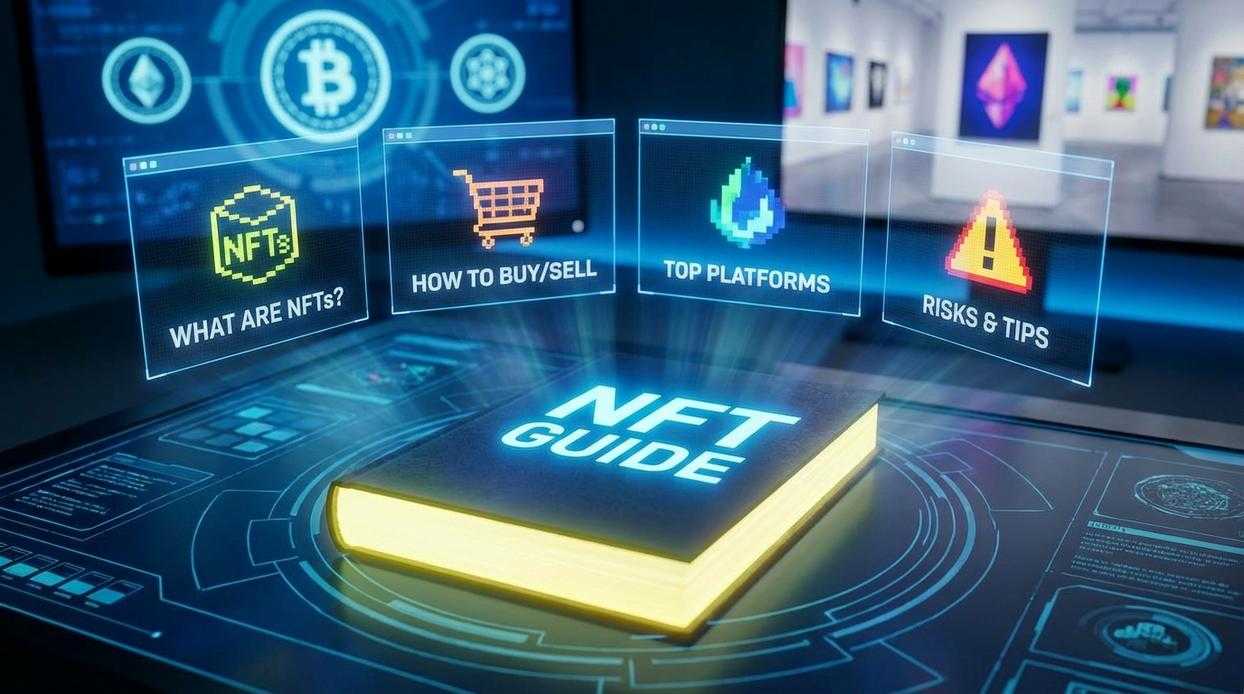
Most people buying NFTs right now are doing it backwards.
They see a cool piece of art. They check the floor price. They buy.
Then they wonder why their NFT sits in their wallet doing nothing while others are making real money.
Here’s what’s different about ETRsNFTs (that’s Evolving Trait Rarity NFTs, if you’re new to this). These aren’t static JPEGs. They change based on what you do with them.
Some traders say this is just a gimmick. They argue that traditional NFTs with proven track records are safer bets. And sure, there’s something to that. Buying a Bored Ape or CryptoPunk means you know exactly what you’re getting.
But that’s also the problem.
With Etrsnfts, you’re not just buying what exists today. You’re buying what it could become. And if you know how to read the signals, that gap between current state and future state is where you make money.
Let me walk you through how I evaluate these projects.
Step 1: Identify the Trigger Mechanism
Open the smart contract. I know that sounds technical but stick with me.
You need to understand what makes this NFT evolve. Is it time based? Does it require you to stake tokens? Do you need to complete tasks on Discord or hold it through a certain date?
I’ve seen projects where the trigger was holding for 90 days. Simple. Verifiable on chain.
I’ve also seen projects where you needed to collect three other NFTs, sacrifice a goat under a full moon, and tweet about it 47 times. (Okay, maybe not the goat part, but you get the idea.)
The trigger needs to be realistic. If it requires actions that most holders won’t complete, the evolution feature is worthless. Check the etrsnft nft advice from etherions for more on reading smart contracts without losing your mind. For those looking to navigate the complexities of the evolving NFT landscape, understanding “How to Mint an Nft Etrsnft” is essential, especially when considering the realistic triggers that influence the value of your digital assets.
Step 2: Evaluate the Base State Value
What’s this NFT worth before it evolves?
Look at the art quality. Check the community size on Discord and Twitter. Does it have utility right now, or are people just hoping it will later?
I bought into a project last year where the base state was actually solid. Good art. Active community of about 2,000 people. Even if the evolution feature flopped, I knew I wasn’t holding a bag.
That’s your safety net.
Step 3: Assess the Evolved State Potential
This is where you make or lose money.
How rare does the NFT become after evolution? If 80% of holders can trigger the evolution, it’s not that special. But if only 10% can? Now we’re talking.
Look at the trait distribution in the whitepaper. Calculate the rarity gap. On OpenSea, you can filter by traits and see current floor prices for different rarity tiers.
The wider that gap between base and evolved state, the bigger your potential return. I’ve seen NFTs go from 0.5 ETH to 3 ETH after evolution because the new traits put them in the top 5% of the collection.
Step 4: Finding ETRsNFT Projects
You can’t just scroll OpenSea and spot these easily.
Use LooksRare or Blur and filter for dynamic or evolving metadata. On Etherscan, search for contracts with updateable token URIs. That’s the technical marker for NFTs that can change.
For upcoming mints, I watch Rarity Sniper and NFT Calendar. They tag projects with evolving features. Join Discord servers for projects still in whitelist phase. That’s where you get early intel.
Pro tip: Check the contract on Polygonscan or Etherscan before minting. If you see functions like setTokenURI or updateMetadata, you know the NFT can change. If those functions are locked or the contract is immutable, someone’s lying about the evolution feature.
The nft guide etrsnft community has been tracking these projects since 2022, and what I’ve learned is simple. The projects that survive aren’t the ones with the flashiest evolution mechanics. They’re the ones where the base state already has value and the evolution is just the bonus.
Start there. Everything else is just noise.
Managing Risk & Security in the NFT Space
I learned about smart contract risk the hard way back in 2021.
I bought into what looked like a solid project. The art was good. The community seemed real. But nobody bothered checking if the contract had been audited.
Three weeks later, someone found an exploit. The whole thing collapsed.
That’s when I started treating smart contracts like I treat any other investment document. You wouldn’t buy a house without an inspection, right? Same principle applies here. Before I touch any project (especially when learning how to mint an nft etrsnft), I check if the contract’s been audited by a reputable firm.
Now let’s talk about your portfolio.
Some people say NFTs are the future and you should go all in. I’m not one of them. NFTs belong in the high-risk corner of your portfolio. I keep mine under 10% of my total crypto holdings. Maybe 15% if I’m feeling aggressive.
The security stuff matters more than you think. I use a hardware wallet for anything valuable. My seed phrase lives in a fireproof safe, not on my computer or phone. And those random DMs promising free mints or airdrops? I ignore every single one. This ties directly into what we cover in Nft Economy Etrsnft.
Here’s what most guides won’t tell you about liquidity.
You can’t just sell an NFT whenever you want. Unlike stocks where you hit a button and you’re out, NFTs need a buyer who wants your specific piece. I’ve held pieces for months waiting for the right offer. That’s why I only buy what I’m comfortable holding long term. In the ever-evolving landscape of digital collectibles, the insights shared in “Etrsnft Nft Advice From Etherions” have become invaluable for those navigating the complexities of long-term NFT investments, reminding us that patience and a discerning eye for quality are essential in finding the right buyer for our unique
The nft guide etrsnft approach is simple. Treat this stuff like the speculative asset it is.
Investing with Insight in the Next Wave of NFTs
You came here to cut through the hype and find real value in NFTs.
Now you have a framework that works. You can evaluate any NFT project and spot the difference between speculation and opportunity.
The ETRsNFT market is different because it’s built on mechanics that matter. Dynamic traits mean you’re not just buying a static image. You’re investing in something that evolves.
Most people chase floor prices and miss the point entirely. They’re gambling instead of investing.
When you focus on utility and the underlying tech, you make decisions based on data. That’s how you move from hoping to knowing.
The ETRsNFT strategy gives you a new way to think about digital ownership. You’re not just holding an asset. You’re participating in a project’s growth and watching your investment change over time.
Here’s what you do next: Pick two projects with dynamic traits this week. Run them through the framework in this guide. Look at their roadmap and community engagement. Check if the mechanics actually add value or if it’s just window dressing.
Start small and test your analysis. The market will tell you if you’re right.
Your next move is simple. Do the research and make your first informed decision.
 Tavien Zelthorne writes the kind of blockchain technology discussions content that people actually send to each other. Not because it's flashy or controversial, but because it's the sort of thing where you read it and immediately think of three people who need to see it. Tavien has a talent for identifying the questions that a lot of people have but haven't quite figured out how to articulate yet — and then answering them properly.
They covers a lot of ground: Blockchain Technology Discussions, Investment Strategies for Cryptocurrencies, Crypto News and Updates, and plenty of adjacent territory that doesn't always get treated with the same seriousness. The consistency across all of it is a certain kind of respect for the reader. Tavien doesn't assume people are stupid, and they doesn't assume they know everything either. They writes for someone who is genuinely trying to figure something out — because that's usually who's actually reading. That assumption shapes everything from how they structures an explanation to how much background they includes before getting to the point.
Beyond the practical stuff, there's something in Tavien's writing that reflects a real investment in the subject — not performed enthusiasm, but the kind of sustained interest that produces insight over time. They has been paying attention to blockchain technology discussions long enough that they notices things a more casual observer would miss. That depth shows up in the work in ways that are hard to fake.
Tavien Zelthorne writes the kind of blockchain technology discussions content that people actually send to each other. Not because it's flashy or controversial, but because it's the sort of thing where you read it and immediately think of three people who need to see it. Tavien has a talent for identifying the questions that a lot of people have but haven't quite figured out how to articulate yet — and then answering them properly.
They covers a lot of ground: Blockchain Technology Discussions, Investment Strategies for Cryptocurrencies, Crypto News and Updates, and plenty of adjacent territory that doesn't always get treated with the same seriousness. The consistency across all of it is a certain kind of respect for the reader. Tavien doesn't assume people are stupid, and they doesn't assume they know everything either. They writes for someone who is genuinely trying to figure something out — because that's usually who's actually reading. That assumption shapes everything from how they structures an explanation to how much background they includes before getting to the point.
Beyond the practical stuff, there's something in Tavien's writing that reflects a real investment in the subject — not performed enthusiasm, but the kind of sustained interest that produces insight over time. They has been paying attention to blockchain technology discussions long enough that they notices things a more casual observer would miss. That depth shows up in the work in ways that are hard to fake.