
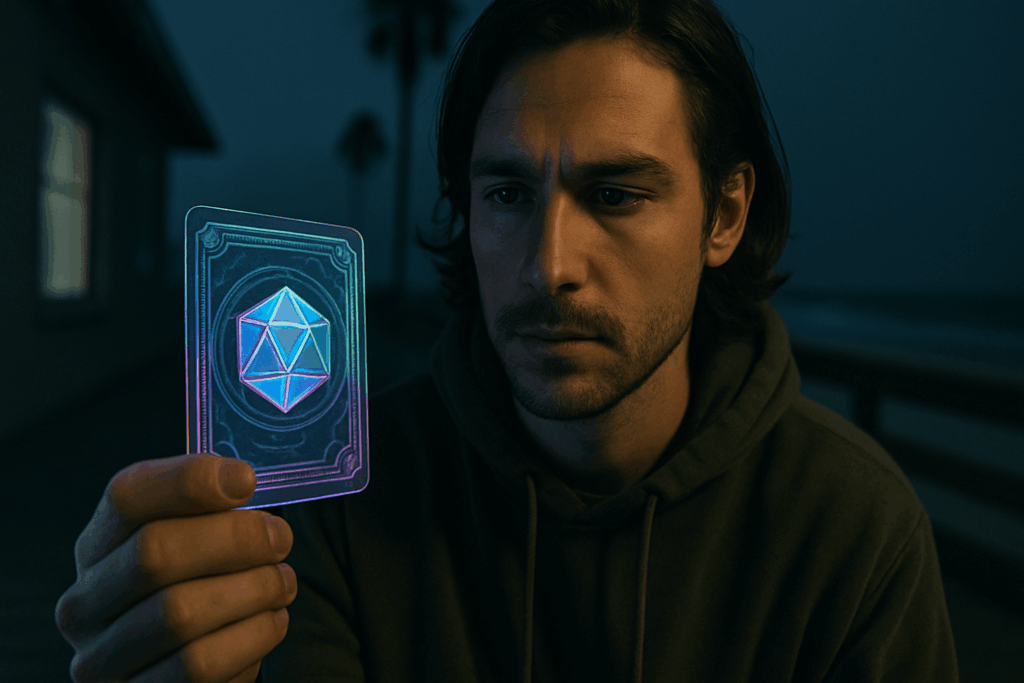
How Brands Are Using NFTs to Elevate Customer Experiences
NFTs are no longer just digital art. In 2024, leading brands across fashion, entertainment, and lifestyle are using them to create real value and build exclusive experiences for their audiences.
Fashion and Retail: Scarcity Meets Exclusivity
Fashion brands are leveraging NFTs to drop limited-edition collections that offer more than just style. These digital assets often unlock:
- Early access to product launches
- Invitations to private shopping events
- Authentication for rare or collaborative pieces
Luxury and streetwear brands are leading the way, using blockchain to protect exclusivity and connect with fans in new ways.
Entertainment: The New Backstage Pass
In the entertainment space, NFTs are functioning as modern-day access cards. Forward-thinking musicians, filmmakers, and studios are using tokens to:
- Offer behind-the-scenes content
- Enable fan voting on creative decisions
- Provide ticket upgrades and virtual meet-and-greets
These initiatives give fans a direct, personalized stake in their favorite artists’ journeys.
Food, Beverage, and Lifestyle: Smarter Loyalty Programs
NFTs are also reshaping loyalty in industries where community drives repeat business. Cafés, restaurants, and lifestyle brands are exploring blockchain loyalty programs that:
- Offer tiered rewards only for token-holders
- Track engagement in a transparent and secure way
- Encourage brand advocacy and word-of-mouth
The result is a stronger connection between businesses and their most dedicated customers.
Top-Performing Brand Campaigns
Some standout NFT brand activations include:
- A global sneaker brand’s limited NFT launch giving holders early access to a physical drop
- A popular pop artist offering NFTs that unlocked exclusive tour footage and merchandise
- A boutique coffee chain’s token-based points system that rewarded referrals and long-term patronage
These examples show how NFTs are moving beyond buzz to deliver measurable value.
As more brands test and refine this technology, expect it to evolve from novelty to a mainstream part of digital strategy.
A quick recap: NFTs beyond the hype
NFTs had their boom moment, then took a hit, and now they’re leveling out. The gold rush is over, but what’s left is more stable and grounded. NFTs are no longer just flashy JPEGs; they’re evolving into tools with real function. Creators and platforms are focusing less on speculation and more on how ownership can add value.
What makes NFTs stick around? Three things: ownership, exclusivity, and utility. Owning an NFT means you hold digital proof that something belongs to you, whether that’s a piece of art, access to a community, or rights to a limited event. The exclusivity part appeals to fans and creators alike—it’s the digital equivalent of a signed record or front-row pass. And utility is where the long-term game is. NFTs that give access to content, unlock features, or tie into real-world perks are starting to crowd out the noisy one-offs.
Consumer interest has shifted as well. It’s not just hardcore collectors buying in. Everyday internet users are starting to interact with NFTs without always knowing it—through ticketing, memberships, or bonus content from creators they already follow. The flash is gone. What remains is a more refined kind of value exchange.
NFTs Are Evolving Beyond JPEGs
Forget the hype wave of overpriced digital art. NFTs in 2024 are finally getting practical. For vloggers, that means a lot more than static images on the blockchain. Now, NFTs are being used to unlock members-only videos, behind-the-scenes content, livestream chats, and exclusive meetups. They’re quietly becoming keys to premium content ecosystems.
The smart creators are tying their NFTs to real-world perks. Think early access to merch drops, VIP seating at events, or even AR filters that update based on which episodes a fan has watched. It’s all about deepening the fan relationship while keeping things verifiable, limited, and valuable.
Some are going further and bundling NFTs with physical products—limited edition gear, signed artwork, or access passes. It bridges the gap between the digital lifestyle and something tangible. This isn’t about digital bragging rights anymore. It’s about connection, loyalty, and giving your audience something they can actually use.
Creating Tight-Knit Communities and Brand Advocates
In 2024, vlogging is no longer a one-way broadcast. The smartest creators are building community, not just audience. That means focusing less on racking up followers and more on nurturing loyal groups of viewers who feel seen, heard, and part of something real. These tight-knit groups often turn into brand advocates, fueling organic growth, trust, and long-term engagement.
Some creators are using NFTs as digital membership cards. These tokens unlock exclusive content, behind-the-scenes access, or even real-life meetups. It’s not about hype or speculation. It’s about utility and access. For fans, owning something unique adds value. For vloggers, it’s a tool to deepen connection and reward loyalty.
We’re also seeing creators hand over the mic. Whether it’s letting fans vote on content themes or even co-producing episodes, co-creation has become a smart way to build trust. People don’t just want content. They want a seat at the table. When the audience becomes part of the process, it’s no longer just consumption. It’s community ownership.
Seamless UX: How Successful Brands Are Simplifying NFT Adoption
If there’s one thing holding mainstream users back from NFTs, it’s the clunky user experience. Wallet setups, crypto jargon, and security steps that feel like tax prep—no thanks. The brands winning right now are the ones making all of that invisible.
Wallet-free onboarding is the game changer. Instead of pushing users to sync cold wallets or remember a seed phrase, smart brands offer social sign-ins or email-based accounts that handle the tech behind the scenes. Want to buy an NFT? Pay with a debit card. No crypto required.
Fiat-first payment flows are lowering the bar to entry. And when users don’t have to mentally convert ETH to USD, you’re closer to a seamless transaction. Less friction means more conversions, and more people actually sticking around to engage.
Bottom line: the slickest UX doesn’t make a big deal out of NFTs. It just makes them usable. And in 2024, that’s what separates hype from habit.
Where you host your NFT campaign isn’t just a technical choice — it’s a strategic one. Picking the right platform can make or break the success of your drop. Audience access, marketplace reputation, ease of use, creator royalties, and transaction fees all come into play.
Some platforms give you massive exposure but ask for higher fees or limit customization. Others might cater to niche collectors with curated communities and lower costs but offer less built-in traffic. If your project leans heavily on storytelling or community building, you’ll need features like unlockable content or gated access. If you’re aiming for volume and speed, you’ll want platforms with streamlined minting and wallet integration.
Bottom line: match your goals to your launchpad. The best fit balances visibility, function, and control.
Explore more: NFT Marketplaces Comparison — Choosing the Best Platform
Brands aren’t throwing money at creators just for exposure anymore. The bar is higher. Metrics that actually move the needle—retention, social engagement, customer lifetime value—are now front and center. In 2024, brands want creators who spark not just clicks, but real behavior: re-watches, shares, comments, and repeat purchases.
NFTs are becoming less about hype drops and more about loyalty infrastructure. Instead of a flashy collectible that fizzles out, we’re seeing creators use NFTs as keys to exclusive content, early access, or private communities. When done right, they extend engagement far past the initial post and help build long-haul fandom.
Take the fashion vlogger who launched a limited NFT that doubled as yearly access to styling sessions. Not only did she sell out fast, but she also saw a 3x increase in customer retention. Another run was tied to a sustainable streetwear release—buyers didn’t just buy a product, they bought into a story. These activations aren’t speculative plays; they’re data-backed loyalty tools that convert and stick.
Big takeaway: creators who offer something lasting—something that keeps fans coming back—are positioned to win both trust and brand dollars.
Sustainability and Digital Responsibility Are No Longer Optional
Vlogging isn’t just about views anymore. With regulations tightening around data, copyright, and content transparency, creators are having to think long-term. Environmental concerns aren’t just trending topics either. Audiences are watching what you shoot, but also how you operate—kit choices, travel habits, partnerships, merch. There’s pressure to walk the talk.
Smart brands and creators are responding with utility and sustainability in mind. That means durable content that earns replays, not just clicks. It means working with green tech sponsors or shipping merch in compostable packaging. It means planning with intent, not pumping out forgettable filler.
At the heart of this shift is digital ownership. Whether it’s exclusive content, NFTs with real-world add-ons, or subscriber-only perks that feel hand-built, people stick around when they feel part of something built to last. Loyalty grows where value and responsibility intersect.
Creating content that respects both audience and environment isn’t just a good look—it’s becoming the baseline.
 Marilynetts Calhoun has opinions about crypto security best practices. Informed ones, backed by real experience — but opinions nonetheless, and they doesn't try to disguise them as neutral observation. They thinks a lot of what gets written about Crypto Security Best Practices, NFT Trends and Insights, Expert Analysis is either too cautious to be useful or too confident to be credible, and they's work tends to sit deliberately in the space between those two failure modes.
Reading Marilynetts's pieces, you get the sense of someone who has thought about this stuff seriously and arrived at actual conclusions — not just collected a range of perspectives and declined to pick one. That can be uncomfortable when they lands on something you disagree with. It's also why the writing is worth engaging with. Marilynetts isn't interested in telling people what they want to hear. They is interested in telling them what they actually thinks, with enough reasoning behind it that you can push back if you want to. That kind of intellectual honesty is rarer than it should be.
What Marilynetts is best at is the moment when a familiar topic reveals something unexpected — when the conventional wisdom turns out to be slightly off, or when a small shift in framing changes everything. They finds those moments consistently, which is why they's work tends to generate real discussion rather than just passive agreement.
Marilynetts Calhoun has opinions about crypto security best practices. Informed ones, backed by real experience — but opinions nonetheless, and they doesn't try to disguise them as neutral observation. They thinks a lot of what gets written about Crypto Security Best Practices, NFT Trends and Insights, Expert Analysis is either too cautious to be useful or too confident to be credible, and they's work tends to sit deliberately in the space between those two failure modes.
Reading Marilynetts's pieces, you get the sense of someone who has thought about this stuff seriously and arrived at actual conclusions — not just collected a range of perspectives and declined to pick one. That can be uncomfortable when they lands on something you disagree with. It's also why the writing is worth engaging with. Marilynetts isn't interested in telling people what they want to hear. They is interested in telling them what they actually thinks, with enough reasoning behind it that you can push back if you want to. That kind of intellectual honesty is rarer than it should be.
What Marilynetts is best at is the moment when a familiar topic reveals something unexpected — when the conventional wisdom turns out to be slightly off, or when a small shift in framing changes everything. They finds those moments consistently, which is why they's work tends to generate real discussion rather than just passive agreement.