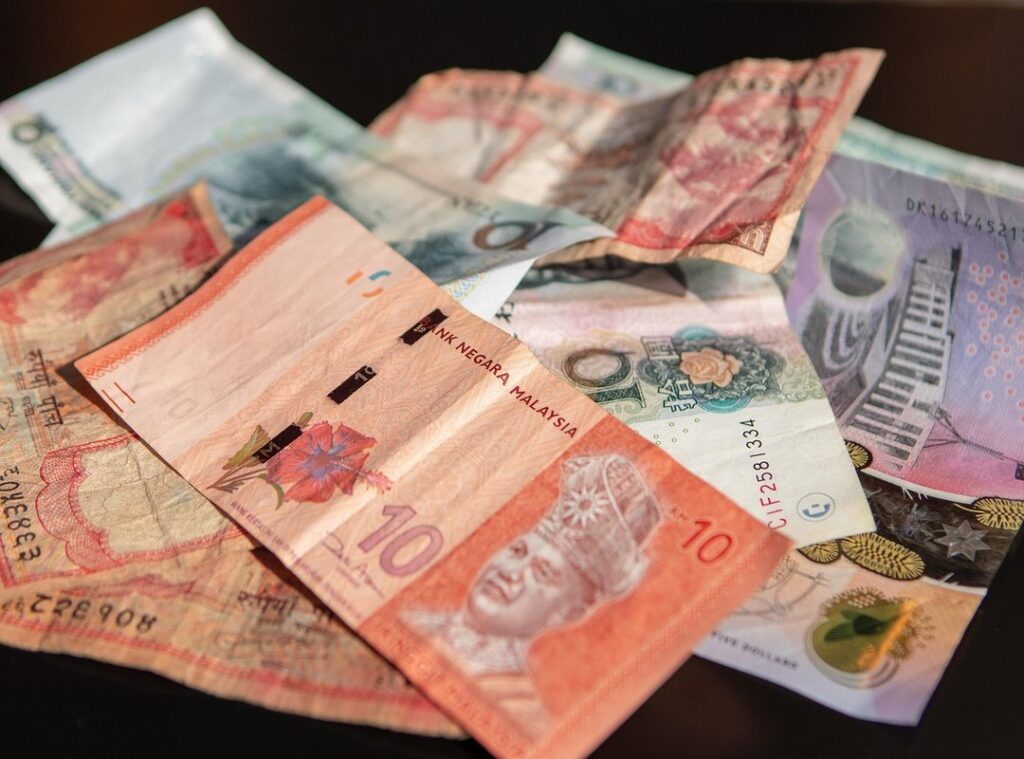
Right now, 1400 Malaysian Ringgit (MYR) is about 4,200,000 Indonesian Rupiah (IDR). This rate isn’t set in stone. It changes a lot, sometimes even by the hour.
I’ll tell you why these rates move around so much. But first, let’s get one thing straight: this article will give you more than just a number.
You’ll learn how to check the live rate anytime. I’ll show you a simple way to do the math yourself. And hey, I’ll even throw in some tips to help you get the best deal when you exchange money.
By the end, you’ll feel more confident about currency exchange. No more guessing games, and let’s dive in.
Why the Ringgit to Rupiah Exchange Rate Fluctuates
Imagine the exchange rate like the price of goods at a market. Just as prices for tomatoes and oranges can change based on supply and demand, the value of the Malaysian Ringgit (MYR) and Indonesian Rupiah (IDR) shifts too.
National interest rates set by central banks—Bank Negara Malaysia and Bank Indonesia—play a big role. Higher interest rates can make a country’s currency more attractive to investors, boosting its value.
Economic health is another key factor. GDP growth, inflation, and employment data from both Malaysia and Indonesia can influence the exchange rate. A strong economy usually means a stronger currency.
International trade also matters. Major exports like palm oil for Malaysia and coal for Indonesia can strengthen or weaken their respective currencies. If global demand for these exports increases, it can drive up the value of the exporting country’s currency.
1400 ringgit berapa rupiah depends on these factors. When Malaysia’s exports are in high demand, the MYR might be stronger, making that 1400 MYR worth more IDR.
Political stability and investor confidence are crucial. Rapid changes in government policies or economic outlooks can cause sudden shifts in the exchange rate. Investors prefer stable environments, and any signs of instability can lead to a weaker currency.
Understanding these factors helps you make informed decisions, whether you’re planning a trip, investing, or just curious about the global economy.
How to Calculate the Conversion Yourself: A Step-by-Step Guide
Calculating 1400 ringgit berapa rupiah or any other currency conversion is straightforward. Here’s how you can do it.
Find the current mid-market rate. Reliable, real-time sources like Google Finance, XE.com, or Reuters are great for this. The mid-market rate is the real, average rate between the buy and sell rates.
Money changers use the buy/sell rate, which includes their profit margin.
Use the simple formula:
Amount in IDR = 1400 MYR × (Current IDR per 1 MYR rate)
For example, if 1 MYR = 3,450 IDR, then 1400 MYR x 3,450 = 4,830,000 IDR. this guide
Here’s a quick reference table for converting other common Ringgit amounts to Rupiah:
| MYR | IDR |
|---|---|
| 100 | 345,000 |
| 250 | 862,500 |
| 500 | 1,725,000 |
| 1000 | 3,450,000 |
This table helps you quickly estimate the value of different amounts without doing the full calculation.
Knowing these steps and having this table can save you time and help you make better financial decisions.
Where to Get the Best Rates for Your Currency Exchange
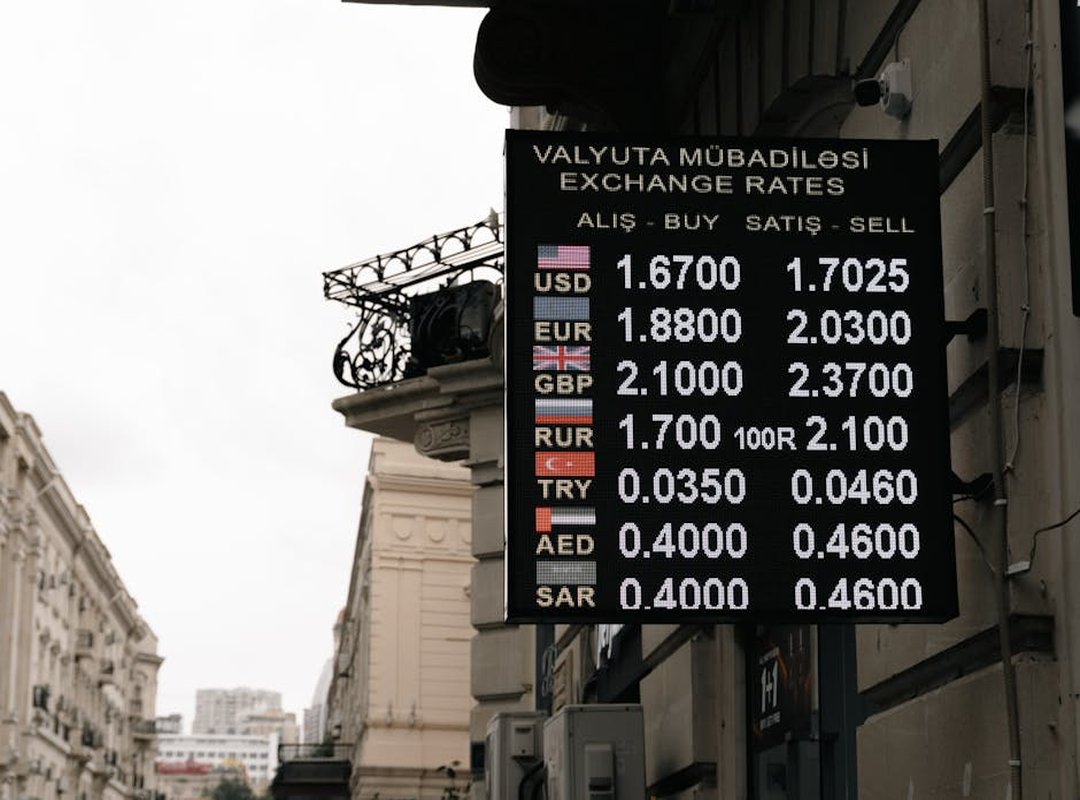
When it comes to exchanging currency, you’ve got a few options. Each has its pros and cons, so let’s break them down.
-
Banks: Generally secure and reliable, but often have less competitive rates and may charge higher service fees. If you’re not in a rush, banks can be a safe bet, but you might end up paying more than you need to.
-
Airport Money Changers: Extremely convenient but almost always offer the worst exchange rates. They know you’re in a hurry and they capitalize on that. Avoid these unless you absolutely have no other choice.
-
Licensed Money Changers (in the city): Typically offer the most competitive rates. Look for official, licensed vendors away from tourist traps. These places are usually your best bet for getting a fair deal.
-
Using ATMs Abroad: A good option for withdrawing local currency. Just be aware of potential bank fees from both your home bank and the local ATM. Also, watch out for the ‘Dynamic Currency Conversion’ trap, where the ATM offers to convert the amount for you at a less favorable rate.
-
Fintech Services/Multi-Currency Cards (e.g., Wise, Revolut): These services often provide rates very close to the mid-market rate with transparent, low fees. They’re especially useful if you travel frequently or need to make international transfers.
If you’re looking to convert 1400 ringgit berapa rupiah, using a fintech service like Wise or Revolut can give you a better idea of the real rate. They typically have lower fees and more transparent pricing compared to traditional methods.
Pro tip: Always check the current exchange rates online before you go to any physical location. This way, you’ll know if you’re getting a fair deal.
Getting the Most Rupiah for Your Ringgit
The exact value of 1400 ringgit berapa rupiah fluctuates, but now you have the tools to find the current rate and understand the factors behind it. Always check the mid-market rate online before you exchange, and compare options to avoid high fees. This is the single most important takeaway.
Use a reputable currency converter app on your phone for on-the-go checks. It’s a simple way to stay informed and make quick decisions.
Knowing these simple tips can save a significant amount of money, especially on larger conversions. You’re now empowered to make a smart financial decision for your travel or transaction.
 Marilynetts Calhoun has opinions about crypto security best practices. Informed ones, backed by real experience — but opinions nonetheless, and they doesn't try to disguise them as neutral observation. They thinks a lot of what gets written about Crypto Security Best Practices, NFT Trends and Insights, Expert Analysis is either too cautious to be useful or too confident to be credible, and they's work tends to sit deliberately in the space between those two failure modes.
Reading Marilynetts's pieces, you get the sense of someone who has thought about this stuff seriously and arrived at actual conclusions — not just collected a range of perspectives and declined to pick one. That can be uncomfortable when they lands on something you disagree with. It's also why the writing is worth engaging with. Marilynetts isn't interested in telling people what they want to hear. They is interested in telling them what they actually thinks, with enough reasoning behind it that you can push back if you want to. That kind of intellectual honesty is rarer than it should be.
What Marilynetts is best at is the moment when a familiar topic reveals something unexpected — when the conventional wisdom turns out to be slightly off, or when a small shift in framing changes everything. They finds those moments consistently, which is why they's work tends to generate real discussion rather than just passive agreement.
Marilynetts Calhoun has opinions about crypto security best practices. Informed ones, backed by real experience — but opinions nonetheless, and they doesn't try to disguise them as neutral observation. They thinks a lot of what gets written about Crypto Security Best Practices, NFT Trends and Insights, Expert Analysis is either too cautious to be useful or too confident to be credible, and they's work tends to sit deliberately in the space between those two failure modes.
Reading Marilynetts's pieces, you get the sense of someone who has thought about this stuff seriously and arrived at actual conclusions — not just collected a range of perspectives and declined to pick one. That can be uncomfortable when they lands on something you disagree with. It's also why the writing is worth engaging with. Marilynetts isn't interested in telling people what they want to hear. They is interested in telling them what they actually thinks, with enough reasoning behind it that you can push back if you want to. That kind of intellectual honesty is rarer than it should be.
What Marilynetts is best at is the moment when a familiar topic reveals something unexpected — when the conventional wisdom turns out to be slightly off, or when a small shift in framing changes everything. They finds those moments consistently, which is why they's work tends to generate real discussion rather than just passive agreement.